Power Insights
Power Systems
UPS sizing, power continuity, facility monitoring, and energy resilience for Philippine businesses.

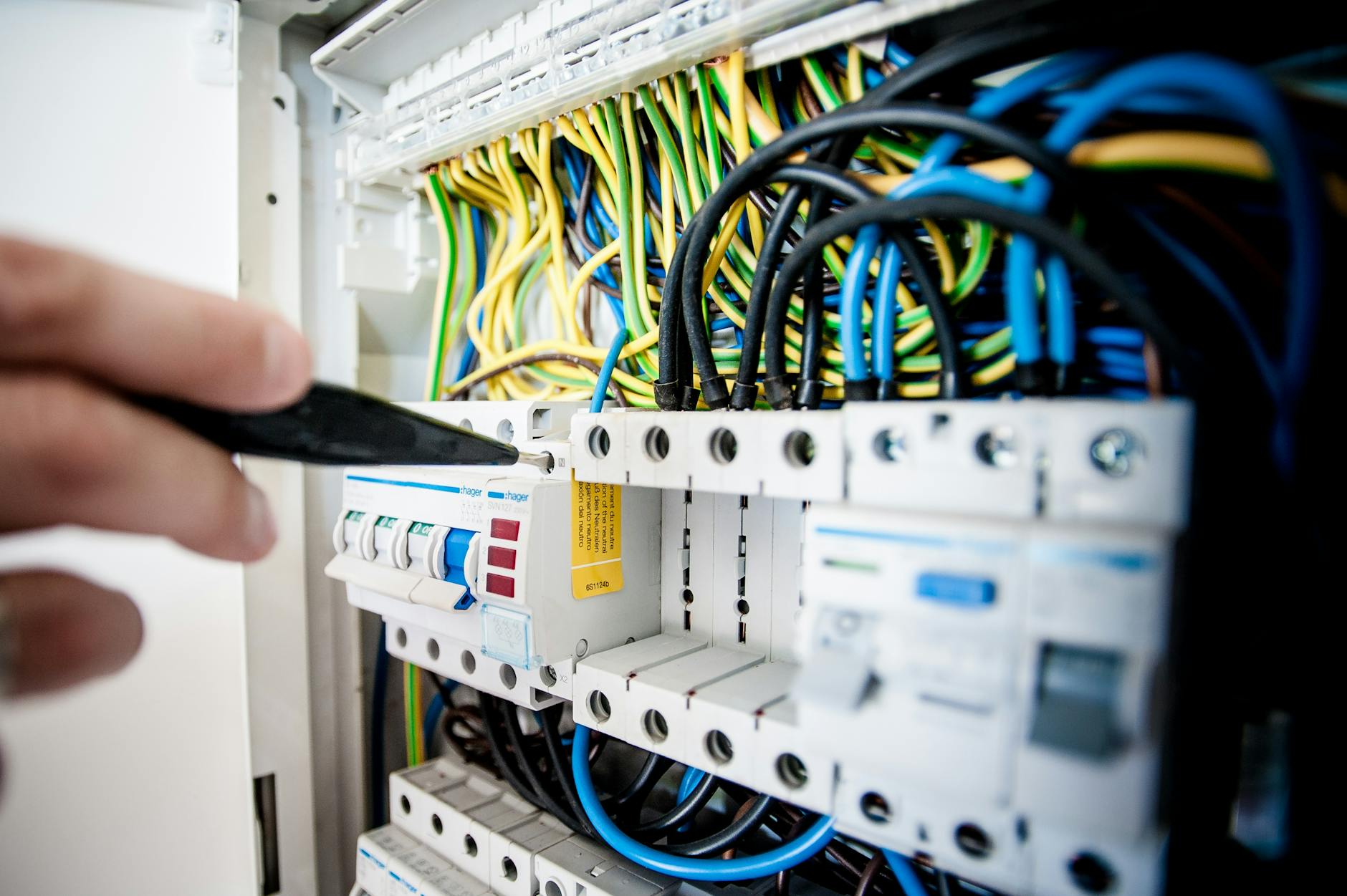
Voltage Stabilizer vs UPS: Which Power Protection Does Your Philippine Office Actually Need?
A voltage stabilizer costs PHP 3,000 and protects against brownouts. A UPS costs PHP 8,000 and does that plus battery backup. Philippine offices buy the wrong one when they confuse protecting equipment from voltage swings with protecting work from power loss. Here's how to choose.
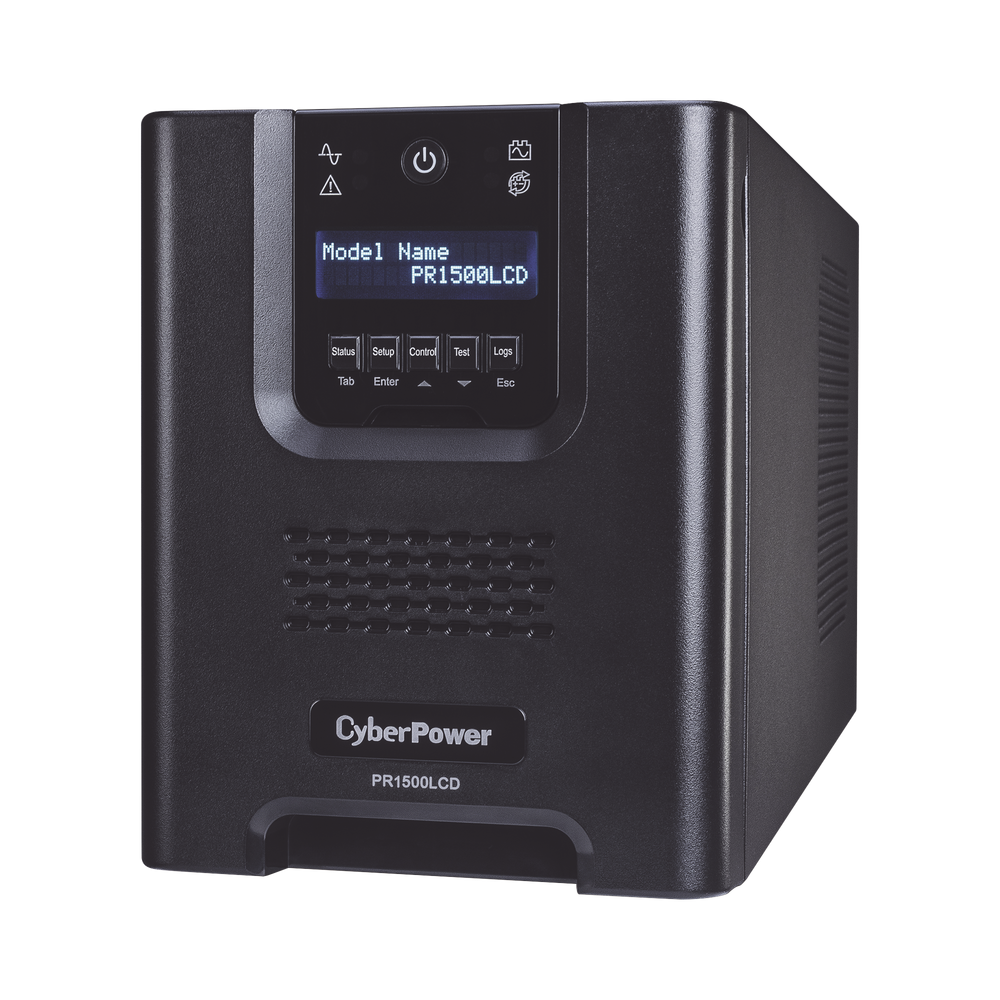
APC Smart-UPS vs CyberPower: Which Line-Interactive UPS Wins for Philippine SMEs in 2026?
APC Smart-UPS and CyberPower both offer line-interactive UPS with AVR for Philippine SMEs — but they're not interchangeable. Voltage rating, AVR range, and serviceability matter more than price alone. Here's how to choose the right 1500VA UPS for your Philippine office.

UPS Sizing Calculator: How to Right-Size Battery Backup for Your Philippine Office
Buying a UPS based on VA rating alone is the most common sizing mistake. Here's how to calculate the actual capacity you need — accounting for watts, power factor, runtime, and future growth.
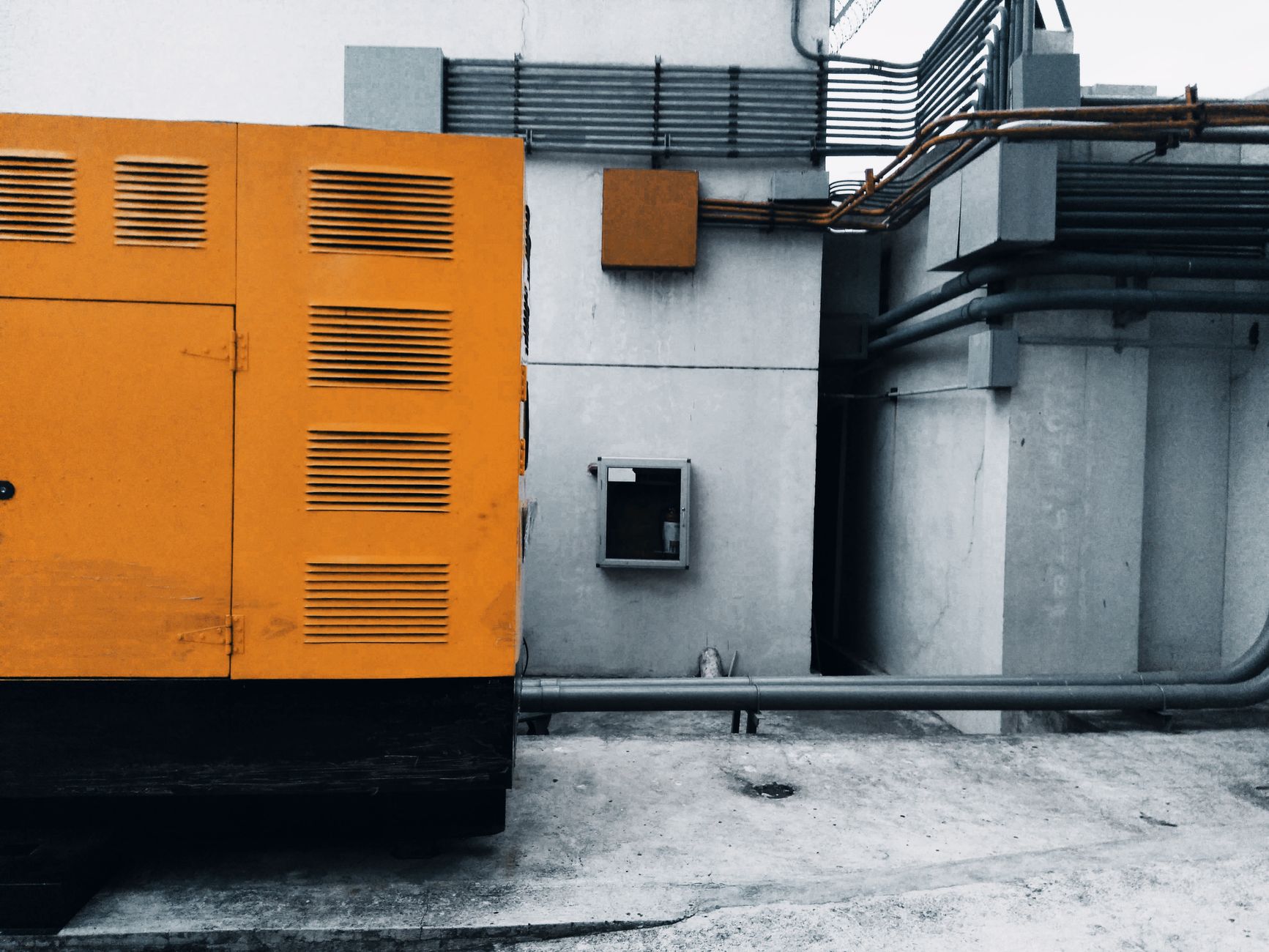
Generator vs UPS for Philippine Offices: Which Backup Power Solution Do You Actually Need?
A generator keeps the office running for hours. A UPS keeps your server alive for minutes. One bridges brownouts; the other prevents data loss. Here's how to choose the right backup power solution for your Philippine business — or why you might need both.
UPS Battery Replacement Guide: Step-by-Step Procedure for Philippine Businesses
A practical guide to UPS battery replacement — when to do it yourself, when to call a professional, and the safety procedures that protect both equipment and personnel.

PROLINK Professional II vs Master III Series: Which UPS Line Is Right for Your Philippine Business?
Comparing PROLINK's Professional II and Master III UPS series for Philippine businesses. Features, capacity ranges, form factors, and which line fits your power protection needs.

CyberPower UPS Philippines Buyer's Guide 2026: Models, Features, and Which to Choose
CyberPower sits at a compelling point in the UPS market — more capable than entry-level brands, more affordable than premium enterprise lines. This guide covers their Philippine product range, key features, and how to match the right model to your workload.

UPS Beeping: What Each Alarm Means and How to Respond
A beeping UPS in a Philippine office is not always an emergency — but it is always communicating something specific. This guide decodes the most common alarm patterns from PROLINK, APC, and Eaton and tells you exactly when to act and when to wait.

Eaton 9PX Lithium-Ion UPS: Is the Premium Worth It for Philippine Data Rooms?
The Eaton 9PX with lithium-ion battery is one of the most discussed enterprise UPS upgrades in 2026. Lighter, longer-lasting, and faster-charging than sealed lead-acid — but at a significantly higher upfront cost. This article breaks down the 5-year TCO comparison for Philippine buyers.
UPS for the Philippine SMB Office: A Practical Buying Guide (2026)
Power interruptions cost Philippine SMBs more than the UPS to prevent them. This guide covers the right UPS type, how to size it, and which brands make sense for a typical Philippine office setup.
Eaton UPS Philippines Buyer's Guide 2026: Which Model Is Right for Your Business?
From the entry-level SE series to the mission-critical 9PX, Eaton makes a UPS for every Philippine business. Here is how to choose the right model, topology, and size for your load.

RCOA Open Access at 100kW: Should Your Philippine Business Switch Electricity Suppliers?
The Energy Regulatory Commission's new 100kW threshold for Retail Competition and Open Access took effect June 26, 2026, opening electricity market competition to an estimated 12,000 more Philippine businesses. If your facility averages 100kW or more in monthly demand, you may now be eligible to choose your own power supplier — and potentially pay less than your current distribution utility rate.

Meralco's ₱14.83/kWh Rate in 2026: Why Power Protection Pays for Itself Faster Now
Meralco's generation charge hit ₱14.83 per kWh in July 2026 — up from ₱12.95 in January. That 14.5% increase changes the ROI calculation for UPS systems, AVRs, and power conditioning equipment in ways most Philippine businesses have not yet updated their thinking to reflect.

APC vs. Prolink UPS in the Philippines: Which Brand Is Right for Your Business?
APC and Prolink are the two most common UPS brands in Philippine offices and server rooms. They are also very different products built for different priorities. Here is a direct comparison — by topology, runtime, warranty, local support, and total cost of ownership — so you can make the right call for your situation.
The Real Cost of a Power Outage for Philippine Businesses: A Calculation Guide
Philippine businesses rarely calculate what a brownout or power failure actually costs them. When the number is worked out — lost revenue, idle staff, data recovery, equipment damage, and client penalties — the cost of a quality UPS system becomes easy to justify. This guide provides a structured framework for calculating your downtime cost and building an ROI case for power protection.
Online vs Offline UPS: Which Type Does Your Philippine Office Actually Need?
23 July 2026
UPS for CCTV and Access Control Systems in the Philippines: Sizing and Best Practice
4 July 2026
Server Room Grounding and Earthing for Philippine Data Rooms: Why It Fails and How to Fix It
4 July 2026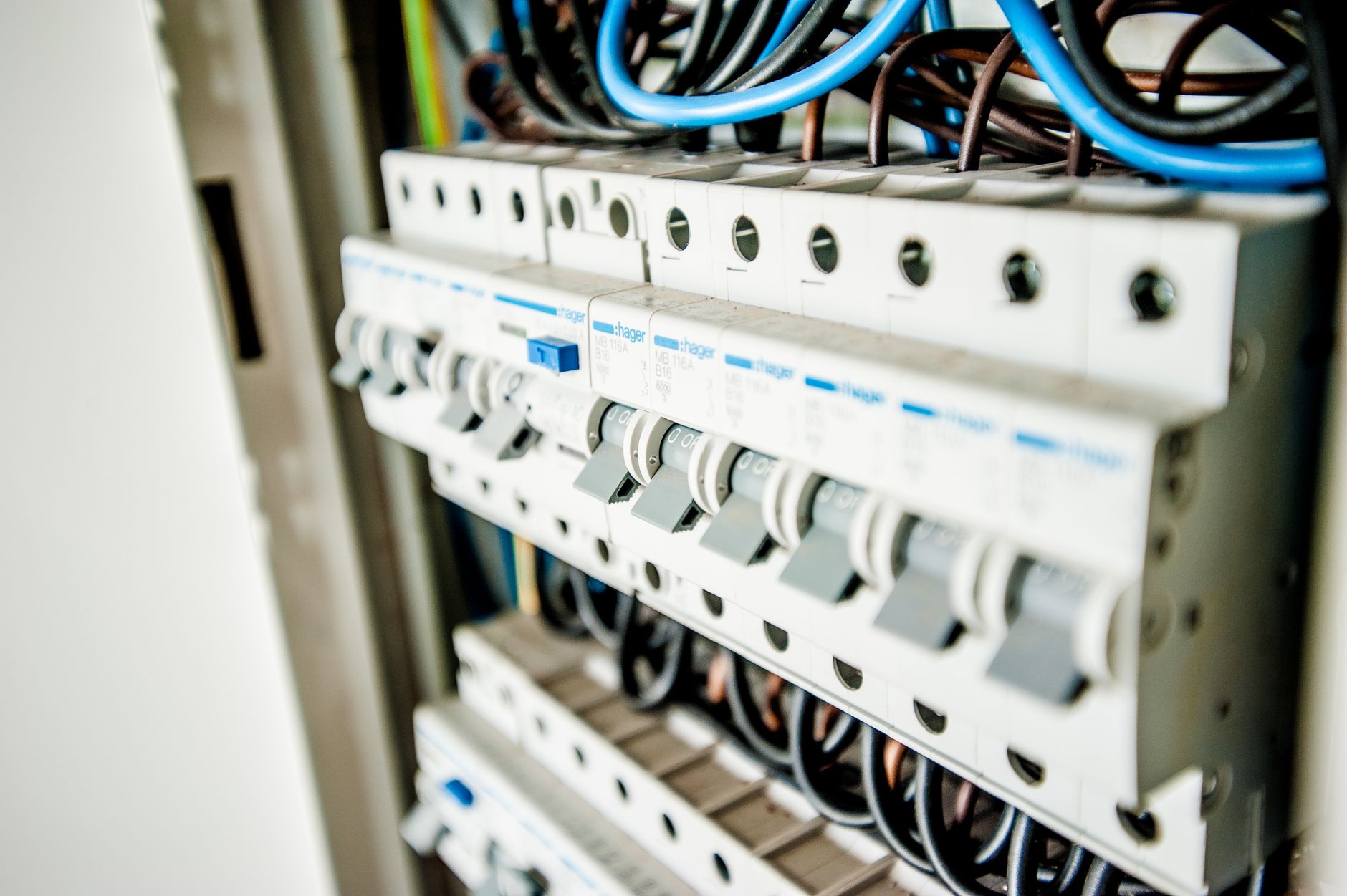
Power Quality Issues in the Philippines: Harmonics, Sags, and Spikes That Damage Equipment
30 June 2026
AVR Sizing Guide for Philippine Offices: VA Rating, Response Time, and When to Upgrade to UPS
30 June 2026
Three-Phase UPS for Philippine Data Centres: When to Upgrade from Single-Phase
24 June 2026
UPS Runtime Calculation: The Exact Formula for Philippine Office Environments
21 June 2026Diesel Generator Sizing for Philippine Data Rooms: kVA, Load Factor, and Runtime
21 June 2026UPS for Philippine Data Centres: What Colocation Facilities and Enterprise Data Rooms Need vs What SMEs Need
13 June 2026
How Typhoons Affect Data Centre Power in the Philippines: What Facilities Do to Prepare
13 June 2026
Electrical Load Balancing for Philippine Office Buildings with Multiple Air Conditioning Units
13 June 2026
UPS for Retail POS with Solar: Combining Battery Backup and Off-Grid Capability for Philippine Retail
11 June 2026Power Factor Correction for Philippine Commercial Buildings: What It Is, Why It Matters, and What to Install
11 June 2026
How to Read a Philippine Commercial Power Bill: kWh, Demand Charges, and What Businesses Can Reduce
11 June 2026UPS for Philippine Healthcare: What Hospitals, Clinics, and Diagnostic Centres Actually Need
9 June 2026
UPS Battery Preventive Maintenance: When to Replace, What to Check, and Why Philippine Offices Get It Wrong
9 June 2026
Voltage Regulation in the Philippines: Why an AVR Is Not Enough for Servers and Network Equipment
9 June 2026
How to Read a UPS Spec Sheet: VA, Watts, Power Factor, and Runtime Explained
6 June 2026
UPS for Philippine Retail and POS Systems: What to Specify and Why It Matters
6 June 2026Surge Protector vs UPS: Why Philippine Offices Still Confuse Them
6 June 2026
Data Centre Cooling in the Philippines: What the Tropical Climate Means for Server Room Design
5 June 2026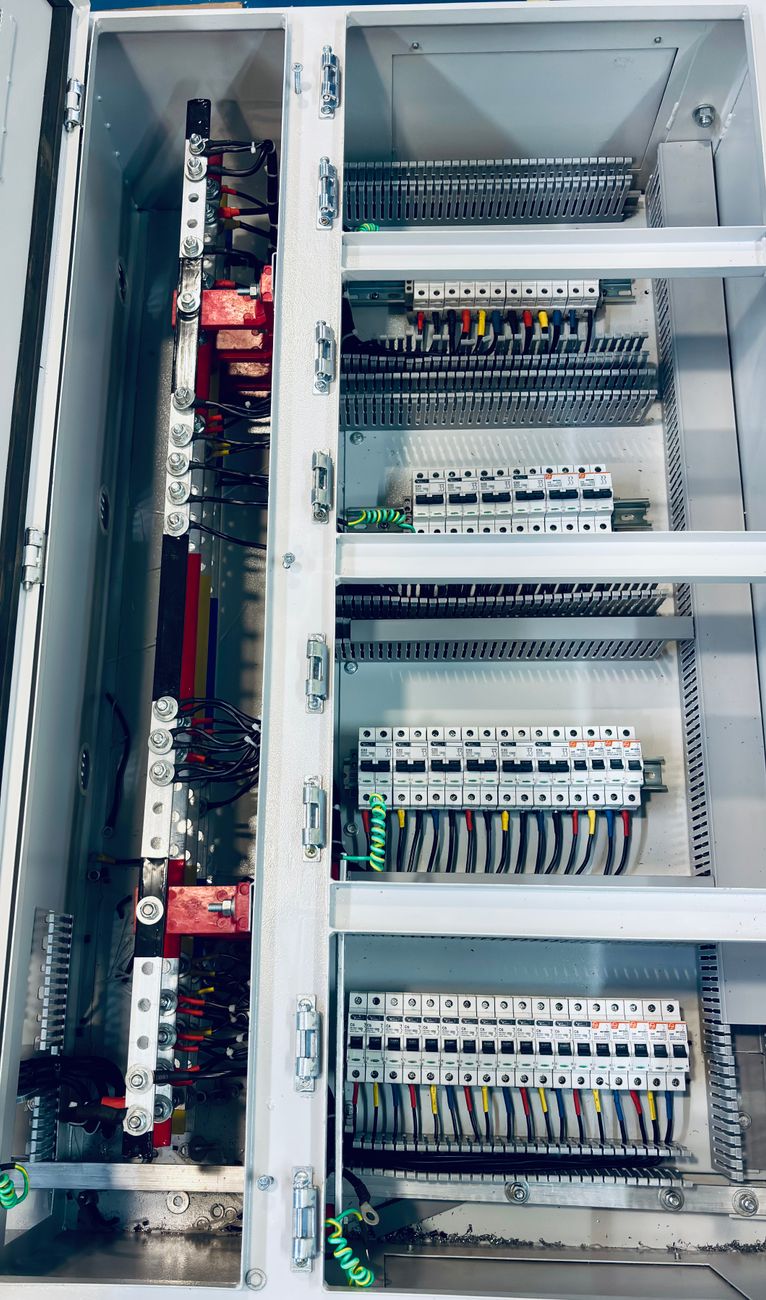
Solar + UPS for Philippine Offices: How to Combine Solar Power with Battery Backup Correctly
4 June 2026
Generator + UPS Integration for Philippine Offices: How to Connect Them Correctly
4 June 2026
Brownouts Outside Metro Manila: How Philippine Provincial Offices Should Size Their UPS and Power Protection
3 June 2026
AI Is Rewriting Data Centre Power Requirements. What Philippine Server Rooms Actually Need to Know.
27 May 2026How to Size a UPS for Your Philippine Office or Server Room
25 May 2026Offline, Line-Interactive, or Online: Choosing the Right UPS Type for Your Philippine Office
15 May 2026
PROLINK UPS Philippines: Choosing the Right Model for Your Business
9 May 2026
Does Your Office Need an AVR? The Philippine Business Guide
13 April 2026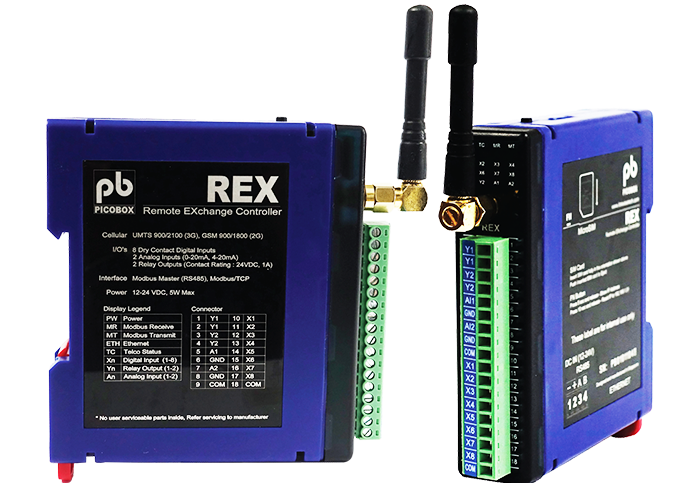
Picobox REX: Facility Monitoring That Fits in Your Hand
8 April 2026
The Q2 2026 Philippine Power Outlook
5 April 2026
The Gap in Most Facility Power Setups
5 April 2026