DICT's $34.4B AI Infrastructure Masterplan: What It Means for Philippine Businesses
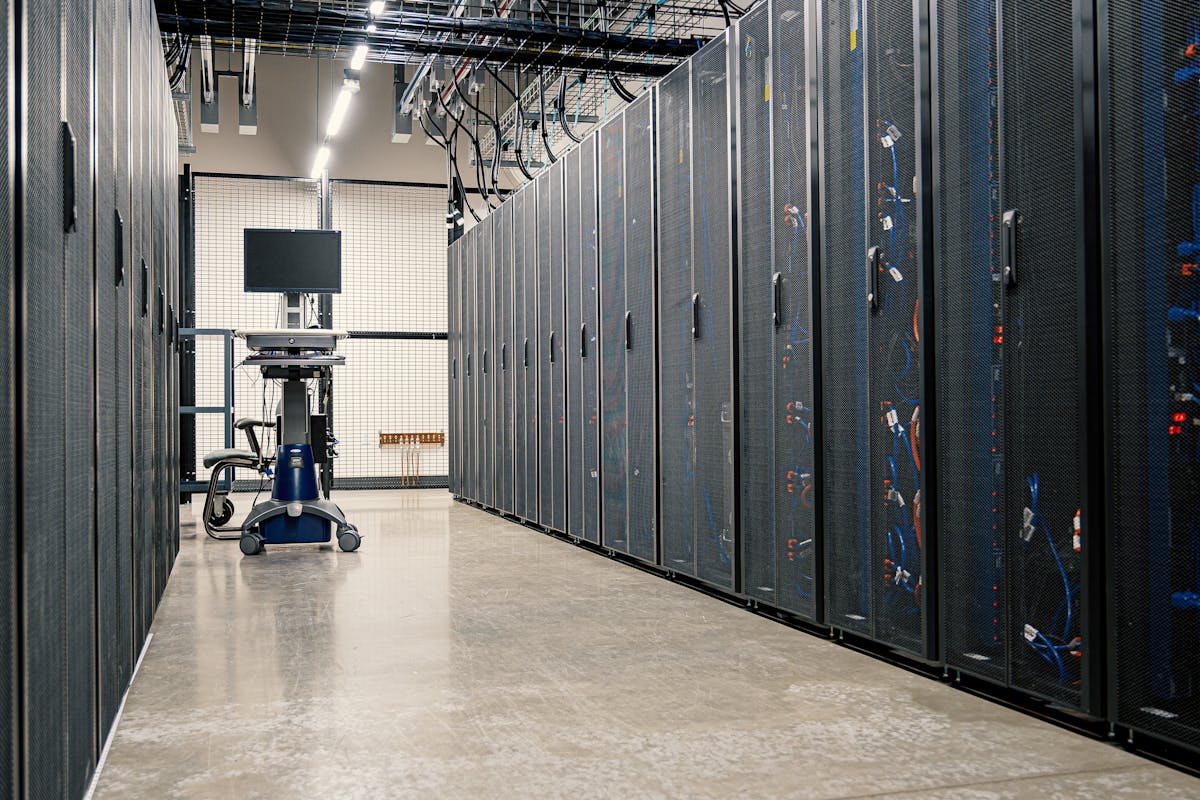
On September 8, 2026, the Department of Information and Communications Technology announced one of the most consequential technology policy decisions in Philippine history: an eight-year AI infrastructure masterplan targeting $34.4 billion in total investment and 1.5 gigawatts of AI-optimised data centre capacity by 2033.
DICT Secretary Henry Aguda framed the plan not as a government project but as a private-sector activation play — the government is creating the policy environment and initial compute infrastructure, then expecting hyperscalers, enterprises, and MSMEs to build on top of it.
For businesses currently evaluating cloud strategy, AI adoption, or data centre investments, this announcement changes the calculus. Here's what the plan actually contains and what it means for you.
What the Masterplan Covers
The headline numbers are significant:
- $34.4 billion total investment target over eight years
- 1.5 GW of AI-optimised data centre capacity by 2033
- $14.65 billion public-private AI compute and data hub, with the first phase targeting 400 MW of capacity by 2030
- 152,000 GPUs to support the national AI industry
- 500,000+ AI-related jobs by 2033, plus 175,000 infrastructure-tied positions
- 10–12% GDP increase projected from AI-driven productivity gains
- 40% renewable energy target for AI infrastructure (solar, geothermal, and nuclear under consideration)
The plan identifies the Bataan-Clark and Batangas-Aurora corridors as the primary candidate zones for hyperscale facilities. Two unnamed US hyperscalers are each evaluating approximately 200 MW of capacity over five years — roughly the scale of a full-size cloud region.
The Philippines currently has only one AI-oriented data centre facility with around 50 MW of installed capacity. The gap between 50 MW today and 1,500 MW in seven years is the opportunity this plan is designed to unlock.
The Google Cloud Partnership Running in Parallel
The masterplan does not operate in isolation. DICT has already activated a major Google Cloud partnership that is unfolding alongside the infrastructure buildout.
Under the partnership, Google Cloud's Gemini Enterprise platform is being rolled out to more than 50,000 frontline public servants now, with a target of 200,000+ government workers over the next 18 months. Government agencies can query previously siloed databases — building permits, agricultural supply chains, social services records — through natural language AI agents.
DICT also formed a cross-agency cybersecurity alliance using Google Cloud Cybershield at the National Security Operations Centre, with more than 90 agencies onboarded as of mid-2026.
For enterprise buyers, this signals that Google Cloud and Microsoft Azure are both deeply invested in the Philippine government market, which tends to drive enterprise adoption of the same platforms as compliance, interoperability, and talent availability align with what government agencies are using. See our Google Cloud vs. Azure comparison for Philippine enterprises for a current-state breakdown.
What This Means for Philippine Enterprises
Cloud Infrastructure Costs Will Improve
The arrival of hyperscale facilities in Clark or Batangas-Aurora means the Philippines will eventually have dedicated cloud regions — rather than routing everything through Singapore. Lower latency, improved data sovereignty, and potentially better pricing are downstream effects of this infrastructure investment.
This is not a 2026 or 2027 story. The first 400 MW phase targets 2030. But businesses making multi-year cloud infrastructure decisions today should factor Philippine data residency as a near-term possibility rather than a distant aspiration. See our cloud migration guide for Philippine SMEs for a framework on how to structure that decision.
AI Talent Pipeline Is Being Built Intentionally
The masterplan's projection of 500,000+ AI-related jobs by 2033 is not passive — it implies a coordinated skills development push through TESDA, DICT's ICT Competency Framework, and university partnerships. For businesses currently struggling to hire AI-capable engineers and data scientists, this pipeline matters. Philippine talent is already globally competitive in software engineering; the masterplan accelerates the AI specialisation layer.
SMEs Get an On-Ramp Through the ASEAN AI Summit
The DICT ASEAN AI Summit on MSME Growth (October 6–7, 2026) is the direct beneficiary program of this masterplan. The summit will launch the ASEAN MSME AI Readiness Framework and an ASEAN MSME AI Tech Stack — subsidised and freemium AI tools specifically designed for smaller businesses. If you are an SME evaluating AI tools, registration is free. See our preview of the summit for what to expect.
Power Infrastructure Is a Constraint to Watch
1.5 GW of data centre power in a country where Meralco's grid is already under seasonal strain — and where brownouts in provincial areas are routine — is an enormous demand signal. The masterplan's 40% renewable target means solar and geothermal projects will be fast-tracked to supply AI facility power.
For businesses running on-premise infrastructure, this has two implications: power costs will likely increase as industrial demand spikes, and the push for renewables creates a window for more favourable renewable energy contract terms under the RCOA open access regime. Enterprises consuming more than 100 kW should be reviewing their power supply options now.
Enterprise AI Readiness Is Already at 91%
An Alibaba Cloud survey conducted alongside this announcement found that 91% of Philippine enterprise respondents have a positive attitude toward AI adoption, 74% have already migrated most of their IT infrastructure to the cloud, and 95% plan to increase AI investment — with more than half expecting budget growth above 20%. This puts the Philippines above the ASEAN average on AI readiness indicators. For context, see our AI readiness benchmarks for Philippine businesses.
What Businesses Should Do Now
The masterplan creates a favourable long-term environment. But the near-term actions are the same ones that have always driven competitive advantage:
-
Establish a cloud foundation — Azure or Google Cloud, with proper identity management, before the hyperscale era arrives. Companies that are cloud-native when Philippine regions open will have a structural advantage over those migrating then. See our Azure managed services overview for what a fully managed cloud foundation looks like.
-
Assess your AI readiness — map your current data assets, governance posture, and workforce AI literacy. The DICT Responsible AI Framework provides a baseline you can use internally.
-
Review your power infrastructure — if you run on-premise servers, now is the time to ensure your UPS and power protection is sized for the next three to five years, not just today's load. Contact Technica's Power Systems team to review your site.
-
Register for the October summit — the MSME AI Tech Stack being launched there may include tools directly applicable to your workflows, at subsidised or zero cost.
The Philippines AI market is projected to reach $3.5 billion by 2030. The masterplan is the infrastructure bet that makes that projection achievable. Philippine businesses that build their cloud and AI foundations now will be positioned to absorb those gains; those that wait will be absorbing someone else's.
Related Reading
- Philippine Data Centre Boom: Infrastructure Rethink for Enterprise
- DICT + Google Cloud Cybershield: What Philippine Enterprises Need to Know
- RCOA Open Access for 100 kW+ Consumers in the Philippines
- AI Readiness Assessment for Philippine Businesses