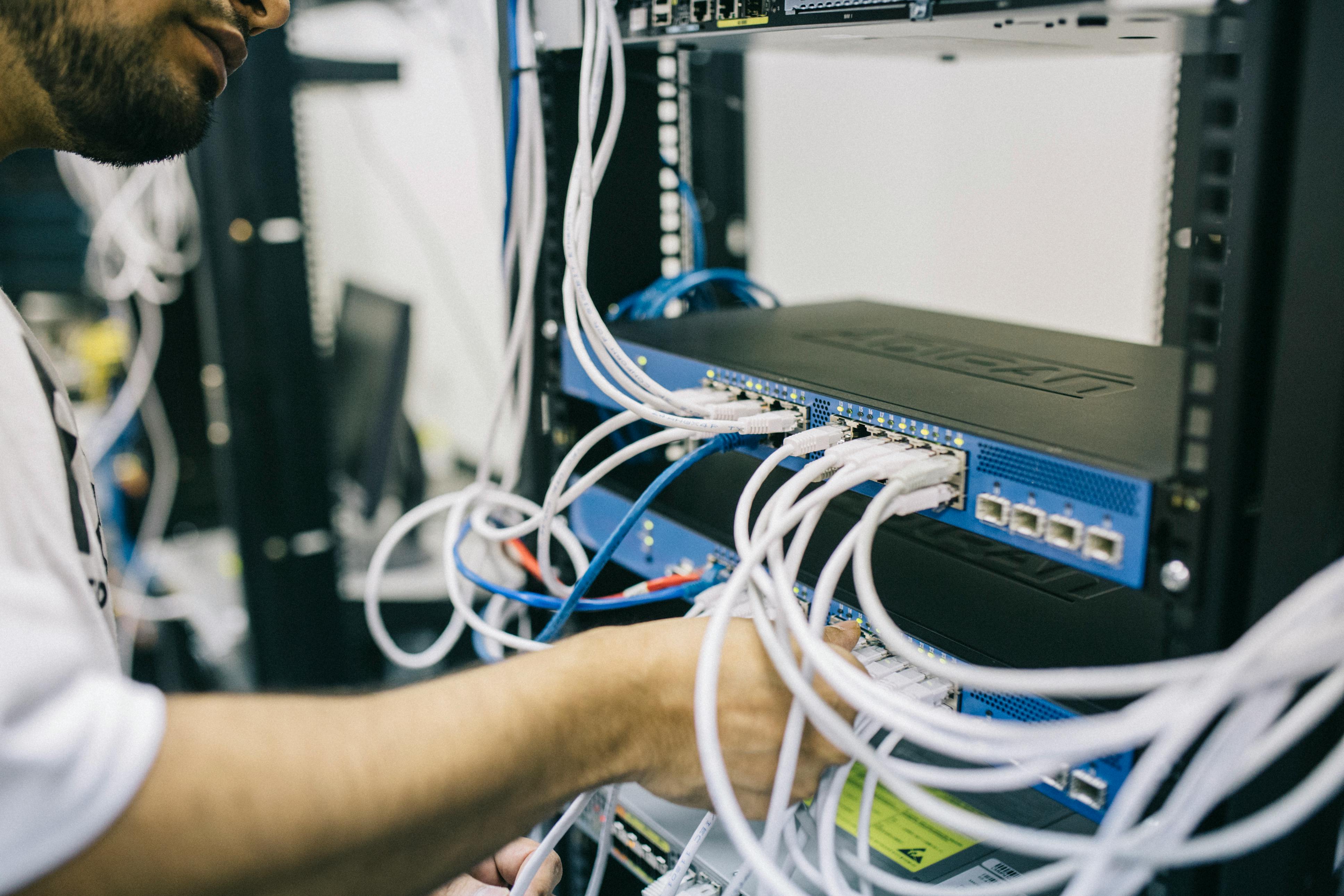
FortiGate 100F Has Reached End of Sale

The Clock Has Run Out on a Common Enterprise Firewall
If your organization is running a Fortinet FortiGate 100F or 100E, April 2026 is a date you cannot ignore. Fortinet officially placed the FortiGate 100F on End of Life (EOL) status starting January 16, 2026, with End of Sale (EOS) arriving this month. The FortiGate 100E follows close behind, with its EOS and EOL both slated for August 2026.
These are not soft advisories. Once a product crosses EOS, you can no longer purchase new units or replacement parts through authorized channels. Once it hits full EOL, Fortinet stops releasing firmware updates and security patches. For a network firewall — the device sitting between your business and every threat on the internet — running without patches is not a calculated risk. It is an open door.
What EOL Actually Means for Your Security Posture
Many IT teams treat EOL notices as vendor noise. In practice, here is what it means on the ground:
No new vulnerability patches. Fortinet's threat intelligence team continuously discovers and patches CVEs in FortiOS. Once your appliance exits the support lifecycle, those fixes stop coming to your device. Any zero-day disclosed after EOL leaves your unit permanently exposed.
No FortiOS version support. The FortiGate 100F shipped on earlier FortiOS branches. Fortinet recently launched FortiOS 8.0 — the latest release of the Security Fabric operating system — at Fortinet Accelerate 2026. Older hardware will not receive this update, which means new SD-WAN capabilities, Zero Trust Network Access (ZTNA) improvements, and AI-driven threat detection are unavailable to you.
Compliance exposure. Philippine organizations handling personal data under the Data Privacy Act, or those pursuing ISO 27001 or SOC 2 compliance, are expected to maintain supported, patched security infrastructure. An EOL firewall is a finding that auditors will flag.
The Right Replacement: FortiGate 120G
Fortinet's recommended successor to the 100F/100E line is the FortiGate 120G. The performance gap between generations is substantial. The 100E delivered 360 Mbps NGFW throughput. The 100F raised that to 1.6 Gbps. The 120G pushes further with purpose-built NP7 security processors, delivering higher throughput while handling SSL inspection, IPS, and application control simultaneously — workloads that bottleneck older ASIC-based units.
For SMEs and branch offices in the Philippines running mixed on-premise and cloud environments — Azure, Google Cloud, or hosted workloads — the 120G also ships with improved SD-WAN integration, making it easier to manage multiple ISP connections with automatic failover. In Metro Manila and provincial offices where dual-ISP setups are common, this matters.
The Philippines Context: Infrastructure Investment Is Accelerating
The timing of this refresh cycle aligns with broader market movement. The Philippine data center market was valued at $735 million in 2025 and is projected to reach $2.48 billion by 2031, growing at a CAGR of 22.5%. The Data Center Operators of the Philippines (DCPH) have committed to tripling national capacity to 473 MW over the next two years.
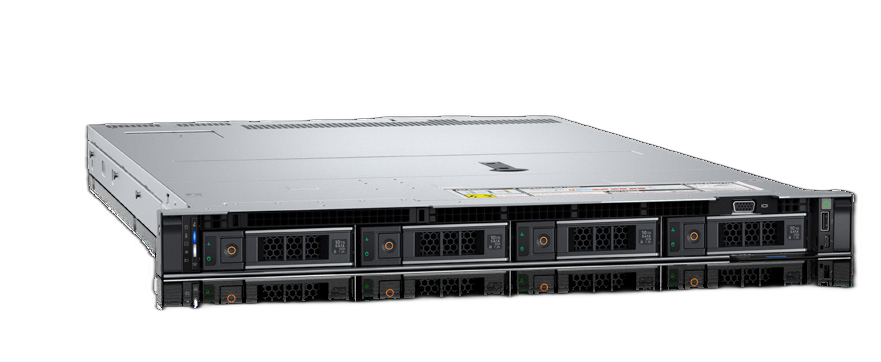
That growth pulls enterprise hardware investment with it. Organizations expanding their own on-premise infrastructure — adding rack servers, SAN/NAS storage, or campus switching — are upgrading perimeter security at the same time. Running a brand-new Dell PowerEdge server rack behind a four-year-old EOL firewall is not a coherent infrastructure strategy.
What to Do Before the End of This Quarter
Audit now. Pull your current firewall inventory. Identify every FortiGate 100E and 100F unit across branches and data closets. Map their FortiOS versions and last patch dates.
Plan your migration window. Firewall replacements require change management — scheduling maintenance windows, updating routing configurations, testing failover. Start the project now; do not wait until a vulnerability forces an emergency replacement.
Evaluate your full security stack. A firewall refresh is the right moment to review whether your switching, SD-WAN, and endpoint protection layers are aligned. Cisco, HPE Aruba, and Fortinet all offer validated integrated architectures that simplify management across the stack.
Source through an authorized partner. With EOS approaching, legitimate channel stock tightens. Gray-market units are a real risk — they may carry outdated firmware with no path to official support. Work with a certified Fortinet partner who can validate serial numbers, register devices under your support contract, and handle configuration migration.
A firewall is not a set-and-forget appliance. It is the most active piece of security infrastructure in your network, and it needs to stay current to do its job. If your FortiGate 100F or 100E is still in production today, the window to plan a managed, low-disruption upgrade is now — before your hand is forced.
Talk to our I.T. Hardware team →